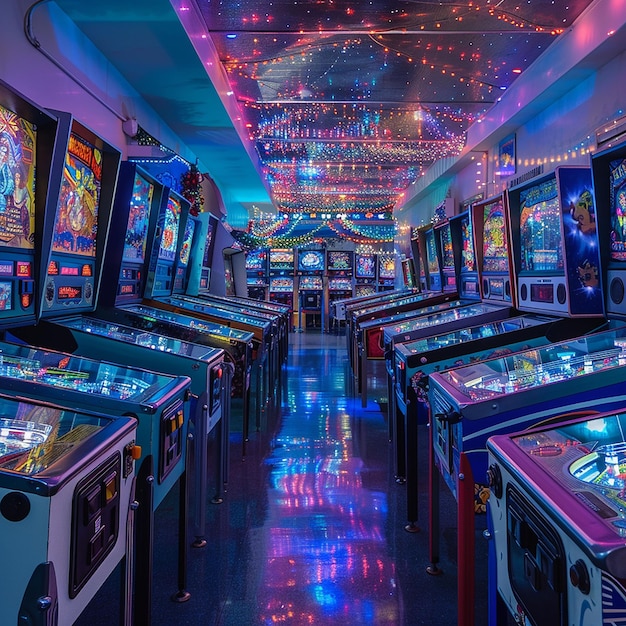
The Verdantshore Development Method
A creative process inspired by Barcelona's architectural heritage, balancing artistic vision with technical excellence to build games that resonate.
Return HomePhilosophy & Foundation
Creative Collaboration as Core Principle
Our methodology grew from a simple observation: the best games emerge from genuine creative partnerships rather than transactional development relationships. We approach each project as a collaborative exploration where your vision guides our technical and artistic choices.
This partnership mindset shapes every aspect of our process, from initial concept discussions through final optimization. Your feedback doesn't just refine the product—it actively shapes the creative direction.
Evidence-Based Design Decisions
While creativity drives our work, we ground decisions in observable evidence. Regular playtesting, performance metrics, and user feedback inform iterative improvements. This data-informed approach helps us move beyond assumptions to understand what actually engages players.
We balance quantitative insights with qualitative understanding. Numbers tell us what's happening, but conversations with players reveal why it matters. Both perspectives guide our development path.
Cultural Authenticity Through Understanding
Growing from Barcelona's multicultural environment, we recognize that meaningful games respect and reflect their cultural context. Whether developing architectural puzzles inspired by Gaudí's organic forms or creating region-specific localizations, we invest time in understanding cultural nuances.
This cultural sensitivity isn't just about avoiding mistakes—it's about creating experiences that feel genuine and resonant to their intended audiences.
The Verdantshore Development Framework
Our process adapts to each project's unique needs while maintaining core principles that ensure quality and creativity at every stage.
Discovery & Conceptualization
We begin by deeply understanding your vision and goals. Through structured conversations, we explore what you want players to experience, the technical constraints we're working within, and the cultural context that will shape the game.
This phase produces shared understanding and documented direction. Rather than rushing to build, we ensure everyone has clarity on the intended experience before technical work begins.
Rapid Prototyping
Core mechanics come to life through quick, functional prototypes. These early builds prioritize feel over polish, letting us validate gameplay concepts before investing in detailed implementation.
You interact with these prototypes early and often, providing feedback that shapes fundamental design decisions. This iterative approach catches potential issues while they're still easy to address.
Structured Development
With validated mechanics, we build out complete features using clean architecture patterns. Development proceeds in focused cycles with regular builds that demonstrate tangible progress.
Concurrent playtesting continues throughout this phase. As features come online, we observe how they integrate and refine based on actual play experiences rather than theoretical assumptions.
Polish & Optimization
With core functionality complete, we focus on refinement. Performance optimization, visual polish, audio integration, and balance adjustments transform a functional game into a polished experience.
This phase includes comprehensive testing across target devices, addressing edge cases, and ensuring the game performs consistently. Quality assurance isn't an afterthought—it's the culmination of careful craft.
Each phase builds naturally on the previous one, but the process remains flexible. Real projects require adaptation, and our methodology accommodates necessary pivots while maintaining overall direction and quality standards.
Evidence-Based Development Practices
User Experience Research
Our design decisions draw from established user experience principles and game design research. We apply findings from cognitive psychology studies on attention, motivation, and learning to create intuitive gameplay experiences.
This research foundation doesn't constrain creativity—it informs it. Understanding how players process information and develop skills helps us design mechanics that feel natural rather than frustrating.
Technical Standards & Best Practices
We follow industry-standard development practices including version control, code review processes, automated testing, and performance profiling. These aren't bureaucratic overhead—they're proven methods for maintaining quality at scale.
Our technical stack choices balance cutting-edge capabilities with proven stability. We adopt new technologies thoughtfully, ensuring they serve project needs rather than pursuing novelty for its own sake.
Quality Assurance Framework
Iterative Testing
Continuous playtesting throughout development catches issues early when they're easiest to fix
Performance Profiling
Regular performance analysis ensures smooth gameplay across target device specifications
Code Quality
Structured review processes and automated testing maintain codebase health and reliability
Beyond Template-Based Development
The Limitation of Generic Solutions
Many development approaches rely heavily on pre-built templates and standardized workflows. While these methods can produce functional games quickly, they often struggle to capture unique creative visions or cultural nuances that make experiences memorable.
We recognize that templates serve as useful starting points, but our methodology emphasizes customization and creative problem-solving. Your project deserves solutions designed for its specific needs rather than being shaped to fit existing molds.
Moving Beyond Waterfall Constraints
Traditional waterfall development proceeds linearly: complete design, then build, then test. This approach assumes perfect foresight and leaves little room for learning from actual gameplay experience until late in the process.
Our iterative methodology acknowledges that game development involves discovery. Early, frequent testing reveals what works and what doesn't, allowing us to adjust course based on real evidence rather than initial assumptions.
Addressing the Communication Gap
Many development relationships suffer from limited communication—clients provide requirements, developers disappear to build, and surprises emerge at delivery. This distance between vision and execution creates misalignment and missed opportunities.
We structure regular touchpoints throughout development. Seeing progress incrementally and providing ongoing feedback ensures the final product aligns with your vision while benefiting from insights discovered during development.
What Makes Our Approach Distinctive
Architectural Thinking Applied to Games
Drawing inspiration from Barcelona's architectural legacy, we approach game design with spatial awareness and structural thinking. This perspective particularly informs our puzzle development work, where understanding three-dimensional relationships and progressive complexity creates engaging challenge curves.
Deep Regional Understanding
Operating in Catalonia's multilingual environment gives us practical experience navigating regional cultural differences. Our localization work benefits from firsthand understanding of how language choices carry cultural weight and how regional identity shapes content reception.
AR Experience Specialization
Our focused expertise in augmented reality development addresses the unique challenges of blending digital content with physical space. We understand performance optimization for mobile AR, GPS-based triggering systems, and designing interactions that respect real-world movement patterns.
Continuous Learning Culture
Game development evolves rapidly. We maintain active learning practices, staying current with emerging technologies, design patterns, and player preferences. Each project teaches us something that informs future work, creating a continuous improvement cycle that benefits every client.
Measuring Progress Meaningfully
Success in game development extends beyond just reaching launch. We track multiple indicators throughout the process to ensure we're building something that will resonate with players and meet your goals.
During Development
- • Playtest feedback quality: Are testers understanding mechanics intuitively? Are they engaged?
- • Performance metrics: Frame rates, load times, and memory usage on target devices
- • Milestone achievements: Tracking progress against planned feature completions
- • Code quality indicators: Bug density, test coverage, and technical debt levels
Post-Launch
- • Player retention rates: Are players returning after initial sessions?
- • Technical stability: Crash rates and performance issues in live environment
- • Player sentiment: Qualitative feedback from reviews and community interaction
- • Engagement patterns: Session length, feature usage, progression rates
These metrics inform decision-making but don't define success in isolation. We interpret data within context, understanding that different projects have different goals. A contemplative puzzle game should be evaluated differently than a fast-paced action experience.
Methodology Built on Experience
The Verdantshore development methodology emerged from over twelve years of game development work across diverse project types and platforms. Based in Barcelona's vibrant technology sector, we've refined our approach through practical application, learning from both successes and challenges encountered across more than 150 completed projects.
Our specialization in architectural puzzle games, augmented reality experiences, and Spanish regional localization required developing domain-specific expertise alongside general game development capabilities. This focused knowledge allows us to address nuances that generic development approaches often miss.
The methodology described here isn't theoretical—it represents patterns we've observed work consistently across different project scales and complexities. While each project receives customized treatment, these core principles provide reliable structure that supports creative exploration without sacrificing technical quality.
Barcelona's creative heritage influences our thinking about game development. The city's architectural legacy demonstrates how structure and artistic expression can coexist productively. We apply similar thinking to game architecture: solid technical foundations support creative freedom rather than constraining it.
Our position within Catalonia's multilingual environment provides practical insights into cultural localization challenges. This lived experience with regional linguistic differences informs our localization methodology, helping us create adaptations that feel authentic rather than mechanically translated.
Game development methodology continues evolving as technology advances and player expectations shift. We maintain commitment to learning and adaptation, updating our practices based on new insights while preserving principles that consistently produce quality outcomes. This balance between stability and innovation serves our clients' long-term interests.
Experience Our Methodology Firsthand
Let's discuss how our development approach can bring your game vision to life with creativity, technical excellence, and cultural understanding.
Start a Conversation